
What Does A5 Mean in Japanese Wagyu? A Complete Guide to A5 Wagyu Beef
Japanese Wagyu is famous around the world for its exceptional marbling, rich flavour, tenderness, and luxurious texture. But when shopping for Japanese Wagyu, one term appears again and again:
A5.
You may have seen “A5 Japanese Wagyu” on a restaurant menu or premium meat product and wondered:
What does A5 actually mean?
Does A5 mean the beef comes from a particular breed? Does it describe the amount of marbling? And is A5 always the best choice?
In this guide, we explain the Japanese Wagyu grading system, what A5 means, how the A and 5 are determined, and what you should know when buying and cooking A5 Wagyu at home.
What Is Japanese Wagyu?
Before understanding A5, it helps to understand what Wagyu means.
The word Wagyu literally refers to Japanese cattle — “Wa” meaning Japanese and “gyu” meaning cattle. Japanese Wagyu is associated with several Japanese cattle breeds, with Japanese Black (Kuroge Washu) being the dominant breed used for premium Wagyu production.
Japanese Wagyu is particularly famous for its high level of intramuscular fat, commonly called marbling. This fine marbling can give the meat a rich flavour and exceptionally soft, buttery texture when cooked properly.
What Does “A5” Mean?
A5 is the highest possible grade in Japan's official beef grading system.
The designation consists of two parts:
A = Yield Grade - The letter A represents the yield grade. Yield grade indicates how much usable meat can be obtained from a carcass.
Japanese beef yield grades range from:
A → B → C
- A = highest yield
- B = standard yield
- C = lower yield
Therefore, the A in A5 does not directly mean tenderness or flavour. It primarily relates to the proportion of usable meat obtained from the carcass.
What Does the “5” Mean?
The number 5 represents the meat quality grade.
Japanese beef quality grades range from:
1 → 2 → 3 → 4 → 5
Grade 5 is the highest quality grade.
The quality grade is determined using several characteristics, including:
- Marbling
- Meat colour and brightness
- Meat firmness and texture
- Fat colour and quality
So when you see A5 Japanese Wagyu, it means:
A = highest yield grade
5 = highest meat quality grade
Together, A5 represents the highest combination of yield and meat quality in the Japanese grading system.
How Is Japanese Wagyu Graded?
The Japanese Meat Grading Association evaluates beef using established grading criteria.
The quality grade considers four major characteristics.
1. Marbling
Marbling refers to the fine streaks and deposits of intramuscular fat within the meat. A higher marbling score generally contributes to the characteristic richness and buttery texture associated with highly graded Wagyu.
The Beef Marbling Standard (BMS) uses a numerical scale from 1 to 12. For quality grade 5, the BMS must fall within the highest range, 8–12.
2. Meat Colour and Brightness
The colour and brightness of the lean meat are also evaluated. A desirable appearance contributes to a higher quality grade.
3. Meat Firmness and Texture
The evaluator also considers the firmness and texture of the meat. The meat should have desirable structural characteristics appropriate to high-quality beef.
4. Fat Colour and Quality
The colour, brightness, and quality of the fat are also assessed. The combination of these factors determines the quality grade from 1 to 5.
A5 Does Not Mean “The Most Marbled Wagyu”
This is an important point. Many people assume that A5 automatically means the most marbled Wagyu available.
That's not quite correct. A5 is the highest quality grade, but within A5 Wagyu there can still be variation in marbling. For example, an A5 steak can have a BMS score of 8, while another A5 steak may have a BMS score of 12.
Both can be classified as A5, but their marbling levels can be different. This is why you may sometimes see additional information about the BMS score or other grading details when purchasing premium Japanese Wagyu.
What Is BMS?
BMS stands for Beef Marbling Standard. It provides a more detailed indication of the amount of marbling in Japanese beef.
The BMS scale runs from:
1 to 12
Generally:
- BMS 1 = very low marbling
- BMS 2–3 = low marbling
- BMS 4–5 = moderate marbling
- BMS 6–7 = high marbling
- BMS 8–12 = very high marbling
A quality grade of 5 requires a BMS score of 8–12. This is one reason A5 Wagyu can have such a distinctive appearance, with fine white marbling distributed throughout the meat.
Is A5 the Same as Wagyu?
No.
Wagyu describes the cattle and beef associated with Japanese Wagyu production, while A5 describes a specific grade.
Not all Wagyu is A5. You can find Wagyu with different grades depending on the animal and carcass characteristics. Similarly, A5 specifically refers to the Japanese grading system and should not be treated as a universal grading term for Wagyu produced in every country.
Why Is A5 Wagyu So Expensive?
Several factors contribute to the premium price of A5 Japanese Wagyu.
Exceptional Marbling
The high level of intramuscular fat is one of the characteristics that makes highly graded Japanese Wagyu distinctive.
Strict Grading
Japanese beef is evaluated using a detailed grading system, and achieving the highest grade requires meeting demanding quality criteria.
Limited Production
Premium Japanese Wagyu is produced in controlled quantities, which contributes to its luxury positioning.
Feeding and Cattle Management
The way cattle are raised and managed can influence the final characteristics of the beef.
High Demand
Japanese Wagyu has developed a strong reputation globally, particularly among premium restaurants and consumers looking for luxury meat experiences.
Does A5 Wagyu Taste Different?
Yes, A5 Wagyu can offer a very different eating experience from conventional beef. Its high level of marbling contributes to:
Richness: The intramuscular fat provides an intense, rich eating experience.
Tenderness: The fine marbling contributes to a soft texture.
Juiciness: Fat melts during cooking and contributes to the mouthfeel.
Flavour: The combination of beef and highly marbled fat creates the distinctive flavour associated with premium Wagyu.
Because of its richness, A5 Wagyu is often enjoyed in smaller portions than a typical steak.
How Much A5 Wagyu Should You Serve?
Because A5 Wagyu is exceptionally rich, you generally don't need a large portion to enjoy it. Instead of treating A5 like a large everyday steak, think of it as a premium tasting experience.
Smaller portions can allow you to appreciate the marbling, texture, and flavour without the richness becoming overwhelming.
How Should You Cook A5 Wagyu?
A5 Wagyu doesn't require complicated preparation. In fact, keeping the cooking process simple is often the best approach.
1. Keep the Seasoning Simple
Salt is often enough. You don't need a heavy marinade that can overpower the natural flavour of the beef.
2. Use a Hot Pan
A hot skillet can quickly develop a delicious crust.
3. Use the Wagyu's Own Fat
Highly marbled Wagyu releases a considerable amount of fat as it cooks, so you generally don't need much additional cooking oil.
4. Don't Overcook It
Because A5 Wagyu contains substantial marbling, it cooks differently from a leaner steak.
Small pieces can cook very quickly, so keep a close eye on them.
5. Slice and Serve
For premium A5 Wagyu, thin slices or smaller portions can be an excellent way to enjoy the rich flavour and texture.
Is A5 Wagyu Worth It?
Whether A5 Wagyu is worth the price depends on what you're looking for.
If you want an everyday steak, a premium ribeye, striploin, or other high-quality beef cut may provide excellent value.
But if you're looking for something special and luxurious, A5 Japanese Wagyu offers a distinctive experience that is difficult to replicate with conventional beef.
It is particularly suitable for:
- Special occasions
- Romantic dinners
- Celebrations
- Gourmet dinner parties
- Premium BBQ experiences
- Steak tasting experiences
- Food enthusiasts
How to Choose A5 Wagyu
When buying A5 Japanese Wagyu, don't look at the “A5” label alone.
Also consider:
Country of origin: Confirm that the product is Japanese Wagyu if you're specifically looking for Japanese A5.
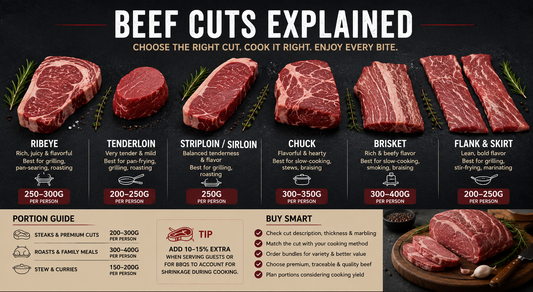
Cut: Ribeye, striploin, tenderloin and other cuts can provide different eating experiences.
BMS score: Where available, this gives additional information about marbling.
Traceability: Premium Wagyu products may include information about their origin and grading.
Packaging and storage: Premium meat should be handled and stored appropriately to protect its quality.
A5 Wagyu Is More Than Just a Number
The next time you see A5 Japanese Wagyu, you'll know exactly what it means.
A represents the highest yield grade.
5 represents the highest meat quality grade.
Together, A5 indicates the highest combination of yield and quality grade within Japan's beef grading system.
But the experience of A5 Wagyu goes beyond the grade itself. Its distinctive marbling, texture, richness, and flavour make it one of the world's most sought-after premium beef experiences.
If you've never tried Japanese A5 Wagyu before, it can be a great opportunity to experience what makes Japanese beef so highly regarded around the world.
Ready to experience A5 Japanese Wagyu at home? Explore Elfab's premium Wagyu selection and choose the perfect cut for your next special meal.
Shop Japanese A5 Wagyu at Elfab and bring a luxury steak experience to your table.
Tags: