
How to Cook the Perfect Steak at Home: A Step-by-Step Guide
There’s something special about a perfectly cooked steak — a beautifully browned crust on the outside, a tender and juicy centre, and rich flavour in every bite. While restaurant-quality steak may seem difficult to recreate at home, you don’t need professional kitchen equipment or complicated techniques to get excellent results.
With the right steak, proper preparation, high heat, and a little patience, you can cook a delicious steak right in your own kitchen.
Whether you’re preparing a ribeye, striploin, tenderloin, sirloin, or another premium beef cut, this guide will show you how to cook the perfect steak at home.
What Makes a Perfect Steak?
A great steak is about more than simply cooking beef until it is brown.
The ideal steak has:
- A deeply browned, flavourful crust
- A juicy and tender centre
- Even cooking throughout
- Proper seasoning
- A good balance of beef flavour and natural fat
- The right level of doneness for your preference
The quality of the beef also makes a significant difference. Premium cuts with good marbling can provide greater tenderness, flavour, and juiciness when cooked correctly.
Step 1: Choose the Right Steak
The first step to cooking a great steak is choosing a suitable cut.
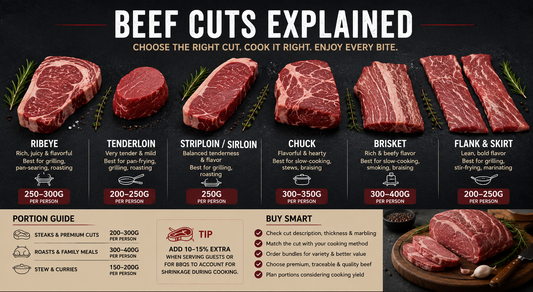
Popular steak choices include:
Ribeye
Ribeye is known for its rich flavour and generous marbling. The fat melts during cooking, helping create a juicy and flavourful steak.
Striploin
Striploin offers a good balance between tenderness and beefy flavour, making it an excellent choice for pan-searing or grilling.
Tenderloin
Tenderloin is one of the most tender beef cuts. It has a relatively mild flavour and works particularly well for those who prefer a leaner steak.
Sirloin
Sirloin provides a balance of flavour, tenderness, and value, making it a versatile option for everyday steak dinners.
Tip: For pan-searing, a steak around 2.5–4 cm thick is easier to cook evenly while developing a good crust.
Step 2: Prepare the Steak Properly
Before cooking, remove the steak from its packaging and pat the surface thoroughly dry with paper towels.
This is an important step.
A dry surface helps the steak brown rather than steam when it hits the hot pan.
Season the steak generously with salt and, if preferred, freshly ground black pepper.
For a simple steak, you don't need a complicated marinade. High-quality beef can often shine with just salt, pepper and a little cooking fat.
Step 3: Choose the Right Cooking Method
There are several ways to cook steak at home.
Pan-Seared Steak
One of the easiest methods for home cooking is pan-searing.
A heavy skillet, particularly cast iron, retains heat well and can help create a strong crust.
Grilled Steak
Grilling is ideal if you enjoy smoky flavours and want to cook outdoors.
Make sure your grill is properly preheated before placing the steak on it.
Reverse Sear
For thicker steaks, reverse searing can provide excellent control. The steak is gently brought close to the desired internal temperature before being finished with a very hot sear to develop the crust. This approach is particularly useful for thick ribeye and similar cuts.
Step 4: Get the Pan Really Hot
If you're pan-searing, preheat your pan before adding the steak.
The pan should be hot enough to create an immediate sizzle when the steak touches the surface.
Add a small amount of high-heat cooking oil and carefully place the steak into the pan.
Don't overcrowd the pan. If you're cooking multiple steaks, leave enough space around each one so they can sear properly.
Step 5: Sear the Steak
Place the steak in the hot pan and allow it to develop a crust.
Avoid constantly moving the steak around the pan.
Once the first side has developed a deep brown crust, turn the steak over and sear the other side.
For thicker steaks, you can also sear the edges briefly, particularly the fat cap.
The exact cooking time will depend on the steak's thickness, starting temperature, cooking surface, and desired doneness, so time alone isn't the most reliable way to judge a steak.
Step 6: Add Butter, Garlic and Herbs
For additional flavour, reduce the heat slightly and add ingredients such as:
- Butter
- Crushed garlic
- Rosemary
- Thyme
Tilt the pan slightly and spoon the melted butter over the steak repeatedly.
This technique, often called butter basting, adds richness and helps coat the steak with additional flavour. Be careful not to burn the butter or garlic.
Step 7: Use a Meat Thermometer
One of the easiest ways to improve your steak cooking is to stop guessing. Use an instant-read meat thermometer and check the temperature in the thickest part of the steak.
Colour alone isn't a reliable way to determine whether meat has reached a safe temperature. The USDA recommends that beef steaks reach a minimum internal temperature of 145°F (62.8°C), followed by at least 3 minutes of rest.
For diners who prefer different levels of doneness, the desired cooking temperature can vary, but remember that personal preference and food-safety guidance aren't the same thing.
Step 8: Let the Steak Rest
Once your steak reaches the desired temperature, transfer it to a clean plate or cutting board.Allow it to rest before slicing.
Resting gives the meat time to settle after cooking and helps maintain its juiciness.
For food safety, the USDA recommends resting beef steaks for at least three minutes after reaching 145°F (62.8°C).
Step 9: Slice Your Steak Correctly
When you're ready to serve, look at the direction of the muscle fibres in the steak. Slice across the grain rather than along it.
Cutting across the grain shortens the muscle fibres, making each bite easier to chew. For larger steaks such as ribeye or striploin, slicing into strips can also make the steak easier to share.
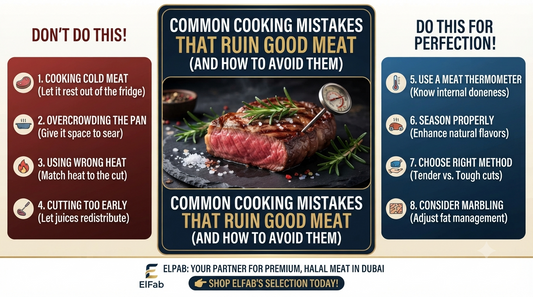
7 Common Steak-Cooking Mistakes to Avoid
- Starting with a Wet Steak - Excess moisture can interfere with browning. Always pat the surface dry before cooking.
- Using a Cold Pan - A pan that isn't hot enough may produce a pale crust instead of the deep browning you're looking for.
- Constantly Moving the Steak - Give the steak time to sear before turning it.
- Cooking Only by Time - A two-minute cooking time doesn't guarantee the same result for two steaks of different thicknesses. Use a meat thermometer for greater consistency.
- Burning the Butter and Garlic - Add butter and aromatics toward the end of cooking rather than exposing them to extremely high heat for too long.
- Cutting the Steak Immediately - Give your steak time to rest before slicing.
- Overcomplicating the Seasoning - A premium steak doesn't necessarily need a long list of spices. Salt, pepper, quality beef, and proper cooking can be enough.
What to Serve with Your Steak
A perfectly cooked steak can become a complete meal with the right sides.
Try pairing it with:
- Crispy roasted potatoes
- French fries
- Mashed potatoes
- Grilled vegetables
- Sautéed mushrooms
- Creamed spinach
- Fresh salad
- Grilled asparagus
- Garlic bread
For sauces, popular options include peppercorn sauce, mushroom sauce, garlic butter, chimichurri, or a simple pan sauce.
How to Create a Restaurant-Style Steak Dinner at Home
You don't need a professional kitchen to create an impressive steak dinner. Start with a quality beef cut, prepare it properly, season simply, and use a hot cooking surface.
Serve the steak with your favourite side dishes and finish with a sauce or herb butter. The key is not to overcomplicate the process. Good-quality beef combined with proper cooking technique can deliver an exceptional result.
Final Thoughts
Cooking the perfect steak at home is easier than many people think
The most important steps are simple:
Choose a quality steak → dry it properly → season well → use high heat → develop a good crust → monitor the internal temperature → rest before serving → slice against the grain.
Whether you're preparing a premium ribeye for a weekend dinner or a simple sirloin for a weekday meal, understanding these basics will help you achieve better results every time.
At Elfab, you can explore a range of premium beef cuts suitable for steaks, grilling, and special occasions — from premium beef selections to Wagyu options.
Ready for your next steak night? Shop your favourite premium beef cut from Elfab and bring the steakhouse experience home.
Shop Premium Beef at Elfab
Tags:
Previous
Common Cooking Mistakes That Ruin Good Meat (And How to Avoid Them)
Next
What Does A5 Mean in Japanese Wagyu? A Complete Guide to A5 Wagyu Beef