
Why You Should Rest Your Steak Before Cutting It
You’ve just cooked a beautiful steak. The outside has a deep golden-brown crust, the kitchen smells amazing, and you're ready to take that first bite.
But before you reach for your knife, there’s one important step you shouldn't skip:
Let your steak rest.
Resting your steak after cooking may seem like a small detail, but it can make a noticeable difference to the final eating experience. Giving the meat a little time before slicing can help you enjoy a juicier, more enjoyable steak.
In this guide, we explain why steak needs to rest, what happens inside the meat while it rests, how long you should wait, and how to serve it properly.
What Does “Resting a Steak” Mean?
Resting a steak simply means removing it from the heat and allowing it to sit for a short period before cutting or serving it.
During cooking, the heat causes changes inside the steak. The juices and moisture within the meat are redistributed as the steak cooks.
If you immediately cut into a hot steak, some of that liquid can run onto your cutting board or plate. Allowing the steak to rest gives the meat time to settle before you slice it.
Why Should You Rest Your Steak?
1. It Helps Keep the Steak Juicy
One of the biggest reasons to rest a steak is to improve the overall juiciness of each bite.
When steak is exposed to high heat, moisture inside the meat moves and the muscle fibres contract.
Cutting immediately after cooking can cause more of the liquid to escape from the steak.
Resting gives the steak time to settle, helping you retain more of that moisture when you eventually slice it.
The result? A more enjoyable, juicy steak instead of liquid running across your plate.
2. It Helps Prevent Juices from Running Onto Your Plate
Have you ever cut into a steak and immediately seen a pool of liquid collect on the plate?
That's one reason resting is useful. If you slice the steak immediately after cooking, the juices can escape before you've had a chance to serve it.
By resting the steak first, you can reduce the amount of liquid lost when slicing.
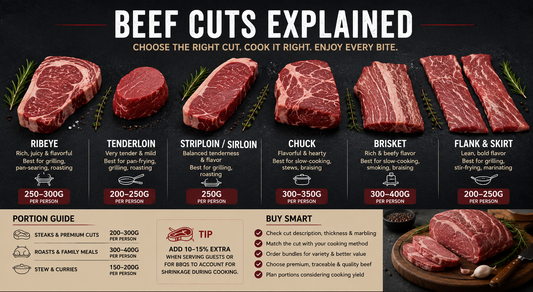
This is particularly useful when cooking thicker steaks such as ribeye, striploin, tenderloin, or sirloin.
3. It Gives the Steak Time to Finish Cooking
Steak doesn't necessarily stop cooking the instant you remove it from the pan or grill.
The internal temperature can continue to rise for a short period because the outside of the steak is hotter than the centre.
This is known as carryover cooking.
For thicker steaks, this can be particularly noticeable. That's why it's important to consider carryover cooking when deciding when to remove a steak from the heat.
What Happens Inside a Steak While It Rests?
To understand why resting matters, think about what happens while the steak is cooking.
As the steak heats up:
Heat enters the meat → muscle fibres contract → moisture moves within the steak → the internal temperature rises.
When the steak is removed from the heat, the cooking process doesn't instantly stop. During the resting period, the temperature gradually settles and the meat's internal moisture can redistribute.
When you eventually cut the steak, the goal is to keep more of that moisture inside the meat rather than losing it onto the plate.
How Long Should You Rest a Steak?
The ideal resting time depends on the size and thickness of the steak.
A practical guideline is:
Steak Size & Approximate Resting Time
Thin steak: 3–5 minutes
Medium-thickness steak: 5–7 minutes
Thick steak: 7–10 minutes
Very thick steak: 10+ minutes
You don't need to wait an extremely long time. The goal is simply to give the steak enough time to settle before cutting.
Should You Cover the Steak While It Rests?
You can loosely cover the steak with foil if you want to retain some heat. However, don't wrap it tightly.
A tightly covered steak can trap steam, which may soften the crispy crust you worked hard to create.
For a steak with a beautifully seared exterior, loosely tenting it with foil—or simply leaving it uncovered—is often preferable.
Does Every Steak Need to Rest?
Resting is beneficial for most steaks, but it becomes particularly important for thicker cuts. A thin steak may only need a few minutes.
A thick ribeye or premium steak can benefit from a longer resting period because it retains more heat and has more internal moisture. The thicker the steak, generally speaking, the more useful a proper resting period becomes.
What Happens If You Don't Rest Your Steak?
If you cut your steak immediately after cooking, you may notice:
More liquid on the plate
The juices can escape rapidly when the steak is cut.
A less juicy bite
Some of the moisture that could have remained in the steak ends up on your plate.
Uneven eating experience
The outside may be hot while the centre is still extremely hot, making it harder to enjoy the steak immediately.
A less impressive presentation
A steak that has been sliced too early can lose some of its visual appeal as juices collect around the meat.
Resting Doesn't Mean Your Steak Will Become Cold
One common concern is:
“If I let my steak rest, won't it become cold?”
Not if you rest it correctly. A steak only needs a few minutes of resting time in most cases.
If you're concerned about heat loss, loosely cover it with foil and serve it shortly after resting.
Remember that a steak doesn't need to be piping hot to be enjoyable. Allowing it to settle can actually improve the overall eating experience.
Should You Rest Steak Before or After Cutting?
Always rest the steak before slicing whenever possible.
The basic process should be:
Cook → Remove from heat → Rest → Slice → Serve
Rather than:
Cook → Slice immediately → Rest
Once you've sliced the steak, you've created much more surface area for moisture to escape. Keeping the steak whole while it rests helps preserve its juices.
How to Rest a Steak Properly
Follow these simple steps:
Step 1: Remove the Steak From the Heat
Once your steak reaches the desired cooking stage, remove it from the pan or grill.
Step 2: Place It on a Clean Plate or Cutting Board
Give the steak enough space so it isn't sitting in cooking juices.
Step 3: Leave It Alone
Avoid cutting, pressing, or repeatedly flipping the steak while it rests.
Step 4: Rest for Several Minutes
Allow approximately 5–10 minutes for a typical steak, adjusting for thickness.
Step 5: Slice Against the Grain
Once rested, identify the direction of the muscle fibres and slice across them.
Step 6: Serve Immediately
Enjoy your steak while it's still warm and at its best.
Does Resting Time Affect Different Cuts?
Yes. Different cuts can behave differently depending on their thickness, fat content, and cooking method.
Ribeye
A well-marbled ribeye can benefit from resting because it is often cooked as a relatively thick steak.
Striploin
Resting helps the steak settle and can make slicing and serving cleaner.
Tenderloin
Because tenderloin is typically leaner, avoiding unnecessary moisture loss is particularly important.
Sirloin
A short resting period can help preserve moisture and improve the overall texture.
What About Wagyu Steak?
Premium Wagyu deserves particular attention. Because highly marbled Wagyu contains a significant amount of intramuscular fat, it can cook differently from leaner beef.
After cooking, allow the steak to rest briefly before slicing.
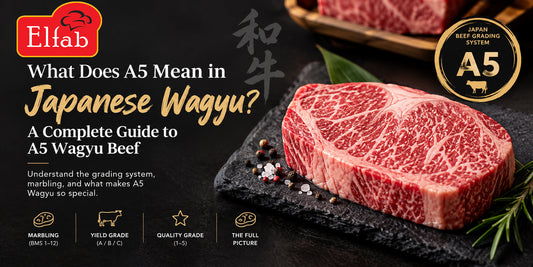
For Japanese A5 Wagyu, portions are often smaller because of the richness of the meat, so a short, controlled resting period is usually sufficient.
The goal is to enjoy the characteristic buttery texture and rich flavour without overcomplicating the preparation.
5 Common Steak Resting Mistakes
1. Cutting Immediately
This is the biggest mistake. Give your steak a few minutes before reaching for the knife.
2. Resting for Too Long
Resting doesn't mean leaving your steak on the counter for 30 minutes. A short resting period is generally enough.
3. Wrapping It Tightly in Foil
This can trap steam and soften your crust.
4. Pressing the Steak
Don't press down on your steak while it rests. There's no need to squeeze out the juices.
5. Cutting Before Resting
Keep the steak whole while resting and slice only when you're ready to serve.
The Complete Steak-Cooking Formula
If you want a better steak at home, remember this simple sequence:
Choose a quality steak
↓
Pat it dry
↓
Season properly
↓
Use a hot pan or grill
↓
Develop a good crust
↓
Check the internal temperature
↓
Remove from heat
↓
REST
↓
Slice against the grain
↓
Serve and enjoy
That short resting period between cooking and slicing can make a surprisingly big difference.
Final Thoughts
Cooking a great steak isn't only about choosing the right cut or getting the perfect sear.
What you do after cooking matters too.
Resting your steak for a few minutes allows the meat to settle, helps minimize moisture loss when slicing, and gives you a better overall eating experience.
So the next time you cook a premium ribeye, striploin, tenderloin, sirloin, or Wagyu steak, resist the temptation to cut into it immediately.
Give it a few minutes. Your steak—and your taste buds—will thank you.
At Elfab, you can explore a selection of premium beef cuts suitable for everyday dinners, BBQs, celebrations, and special steak nights.
Choose your favourite cut, cook it your way, let it rest, slice it right, and enjoy a steakhouse-style experience at home.
👉 Explore premium beef at Elfab and plan your next steak night.
Tags:
Previous
What Does A5 Mean in Japanese Wagyu? A Complete Guide to A5 Wagyu Beef
Next
Pan-Seared vs Grilled Steak: Which Cooking Method Is Better?